Find Your Perfect Running Shoes: A Runner's Essential Guide
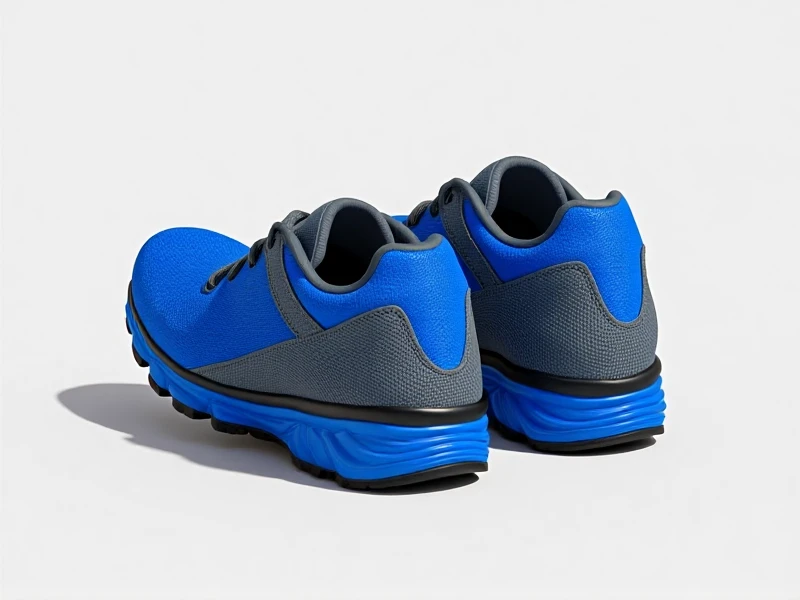
Are you a passionate runner looking to boost your performance and prevent injuries? The right pair of running shoes makes all the difference. With millions embracing running for fitness and fun, selecting high-quality footwear is crucial for a safe and enjoyable experience. In this guide, we break down why investing in proper running shoes is a game-changer and how to choose the best pair for your needs.
First, let's discuss the benefits. Quality running shoes provide superior cushioning, reducing impact on joints and minimizing common aches like shin splints. They offer stability and arch support, which enhance your stride and help maintain balance on varied terrains. For instance, modern designs include advanced shock absorption, boosting endurance during long runs. Additionally, a good fit prevents blisters and discomfort, allowing you to focus on achieving personal bests. Studies show that wearing specialized shoes can cut injury risk by up to 20%, making them essential for both beginners and seasoned athletes.
When exploring options, understand the main types. Neutral shoes are ideal for runners with efficient gaits and high arches, emphasizing flexibility and lightweight comfort. Stability shoes cater to those with moderate pronation, featuring built-in support to correct foot roll. For overpronators, motion control models offer maximum reinforcement for flat feet. Don't forget trail-specific shoes with rugged outsoles for off-road adventures, and racing flats for speed-oriented events. Brands like Nike, Adidas, and Brooks excel in innovative tech, but always prioritize function over flashiness.
Choosing the best running shoes starts with a personal assessment. Visit a specialty shop for a gait analysis to identify your foot type—whether you need more cushioning or control. Fit is key: ensure there's a thumb's width of space at the toe, and try shoes on later in the day when feet swell. Consider your running surface; road shoes differ from trail versions in grip and durability. Aim for shoes that feel snug but not tight, and test them on a short jog before committing. Typically, replace them every 300-500 miles to maintain peak performance.
In conclusion, investing in top-notch running shoes elevates your runs by enhancing comfort and safety while preventing setbacks. Whether training for a marathon or jogging weekly, prioritizing the right footwear transforms your experience. Ready to upgrade? Browse our collection for expert picks and find your perfect match today to hit the road with confidence.