Choosing the Perfect Running Shoes for Your Fitness Journey
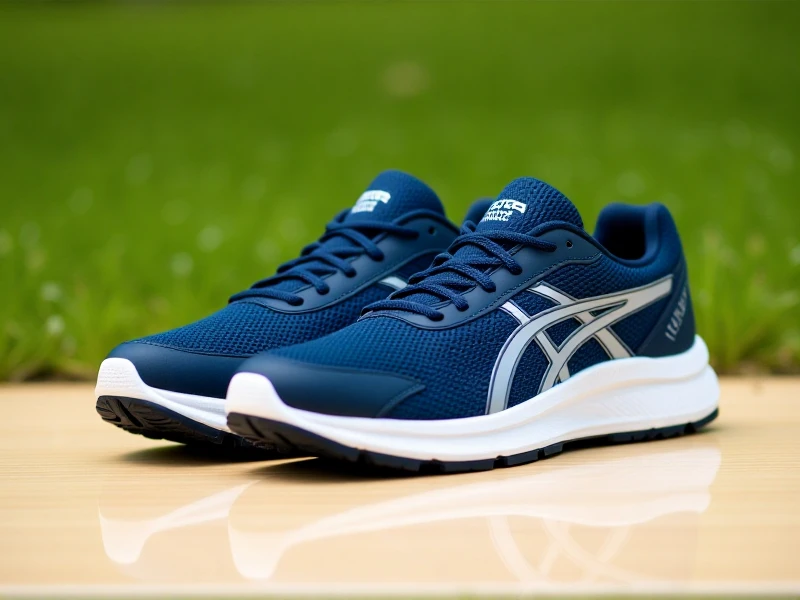
Picking the right running shoes can feel overwhelming with so many options out there, but it's a decision that impacts everything from your comfort on the trail to preventing pesky injuries. As someone who's logged countless miles in various pairs, I've learned that a well-chosen running shoe makes all the difference—whether you're a casual jogger or training for your first marathon. Today, I'll break down the essentials to help you find your perfect fit without breaking the bank.
First off, running shoes come in several types based on your running style and foot shape. For instance, neutral shoes cater to runners with balanced strides and minimal pronation. If you tend to overpronate (where your feet roll inward), stability running shoes provide arch support to keep you aligned. Cushioned running shoes, on the other hand, are ideal for those with high arches who need extra shock absorption on hard surfaces. When I tried out my first pair of stability running shoes, it transformed my runs—suddenly, knee pain vanished, and I could go longer without fatigue. Aim to visit a specialty running store for a gait analysis; it's the best way to pinpoint your needs based on your stride and weight.
Once you know your type, focus on fit and durability. Running shoes should have a thumb's width of space at the toes to prevent blisters and allow natural swelling during long runs. Try them on later in the day when your feet are slightly swollen for a real-world test. Materials matter too—look for running shoes with breathable uppers like mesh to keep sweat at bay and sturdy soles with deep grooves for traction. Brands like Brooks or Asics often incorporate innovative tech; I've been loyal to their lightweight models for years. Remember to rotate between two pairs to extend their lifespan and avoid wear that leads to injuries.
Beyond comfort, investing in quality running shoes boosts your overall health. Proper shoes can reduce joint strain by absorbing impact, minimizing risks like shin splints or plantar fasciitis. Plus, they'll improve your performance—I noticed quicker times after switching to responsive road running shoes. To maintain them, clean them gently with a damp cloth after muddy adventures and replace running shoes every 300-500 miles since worn-out cushioning loses effectiveness. By following these tips, you'll make your runs safer and more enjoyable.
In short, taking time to select the ideal running shoes pays off for any fitness routine. It's not just about style; it's about supporting your body. If you're new to this, chat with a running coach or explore reviews online. Lace up, hit the pavement, and watch how the right choice transforms every step.