Find Your Perfect Pair: Top Tips for Choosing Running Shoes
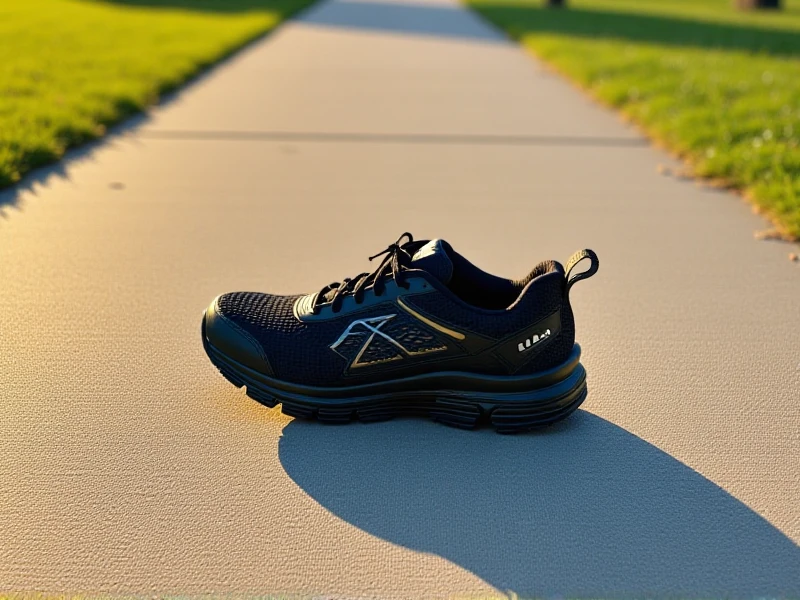
Choosing the right running shoes can make a huge difference in your running experience. Whether you're a beginner or a seasoned marathoner, investing in quality running shoes helps prevent injuries, boost performance, and make every mile more enjoyable. In this guide, we'll explore key factors to help you find the best options for your needs. Don't settle for discomfort or poor fit—get started on your journey to better runs today.
First, understand the types of running shoes available. For instance, neutral shoes provide cushioning for runners with standard arches, while stability shoes offer extra support for overpronators with low arches. Minimalist options prioritize a barefoot feel, and max-cushioned shoes absorb impact on trails or long distances. Brands like Brooks or Nike have specialized lines designed for various terrains and running styles. Aim to try on several pairs to find what suits your natural gait. Remember, a well-fitting running shoe should feel snug but not tight, with room for your toes to move freely.
Next, focus on key selection criteria. Start by analyzing your foot type—use the "wet test" to check your arch profile. High-arched feet often need stability features, while low arches benefit from motion control. Also, consider your running surface: road shoes have durable soles, trail shoes include aggressive treads, and hybrid models work for mixed paths. Think about cushioning levels too; softer midsoles cushion joints, firmer ones deliver energy return. Experts recommend replacing running shoes every 300-500 miles, as worn-out soles increase injury risks. Test shoes in person or read trustworthy running shoe reviews to ensure quality and comfort.
Choosing the ideal running shoes enhances your training and reduces downtime. Pair them with proper socks and stretches for maximum results. Ready to level up? Consult a local running store expert for personalized advice. Happy running!