Discover the Perfect Running Shoes for Your Next Run
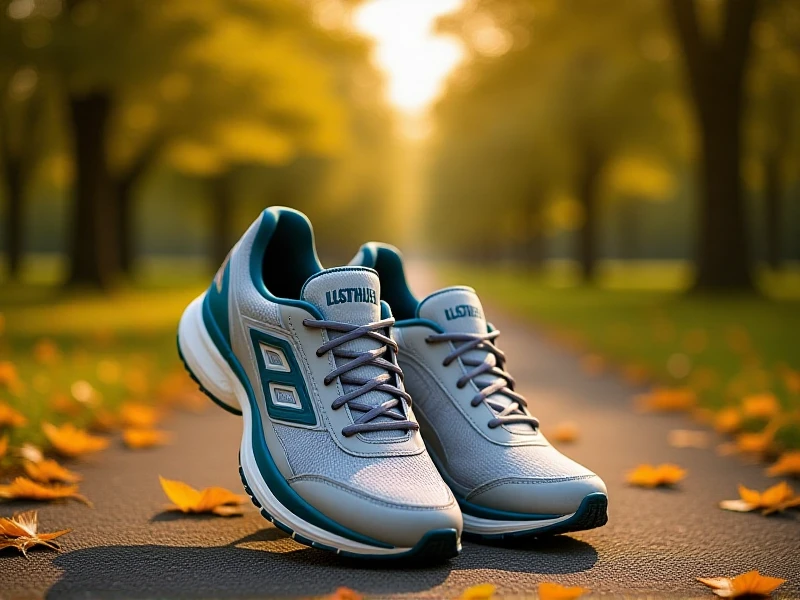
Running is one of the most popular forms of exercise, offering incredible health benefits like improved cardiovascular fitness and weight management. However, achieving your best performance starts with choosing the right running shoes. With so many options available, it's essential to understand what makes a pair stand out. This guide will help you navigate the world of running shoes, focusing on key features, types, and tips for finding your ideal fit.
First, consider the different types of running shoes. Trail running shoes are designed with rugged outsoles for off-road adventures, providing superior grip on uneven terrain. Road running shoes, ideal for pavement or treadmill use, offer lightweight construction for speed and endurance. If you prefer long distances or training, stability shoes provide extra support to prevent overpronation and reduce injury risk. Each type addresses specific needs, so matching your shoe to your running style is crucial. For example, beginners might benefit from cushioned models that absorb impact, while competitive runners could opt for minimalist shoes that promote a natural stride.
Moving on to essential features, cushioning is a top factor in running shoes. Modern technologies like gel or foam midsoles deliver shock absorption, protecting your joints during high-impact runs. Breathability matters too—look for mesh uppers that wick away moisture to keep feet dry and comfortable. Additionally, focus on grip and traction; outsoles with durable rubber lugs ensure stability on various surfaces. Don't overlook the fit: your running shoes should have ample toe room to prevent blisters and allow for natural foot movement. A simple trick is to try them on late in the day when feet are slightly swollen for a more accurate sizing session.
Maintaining your running shoes extends their life and performance. Rotate between multiple pairs to reduce wear and give materials time to decompress. Clean them regularly with a gentle brush and mild soap, avoiding harsh chemicals that degrade the soles. On average, replace your running shoes every 300-500 miles for optimal support and cushioning. Keep an eye out for worn treads or compressed midsoles as signs they need retiring. Investing in quality shoes not only enhances your runs but also prevents common issues like plantar fasciitis.
Ultimately, the best running shoes align with your personal goals and activities. Take the time to test different models and consider consulting a specialist for gait analysis. By prioritizing comfort and functionality, you'll transform your running experience, making each workout safer and more enjoyable.