How to Choose the Best Running Shoes for Your Needs
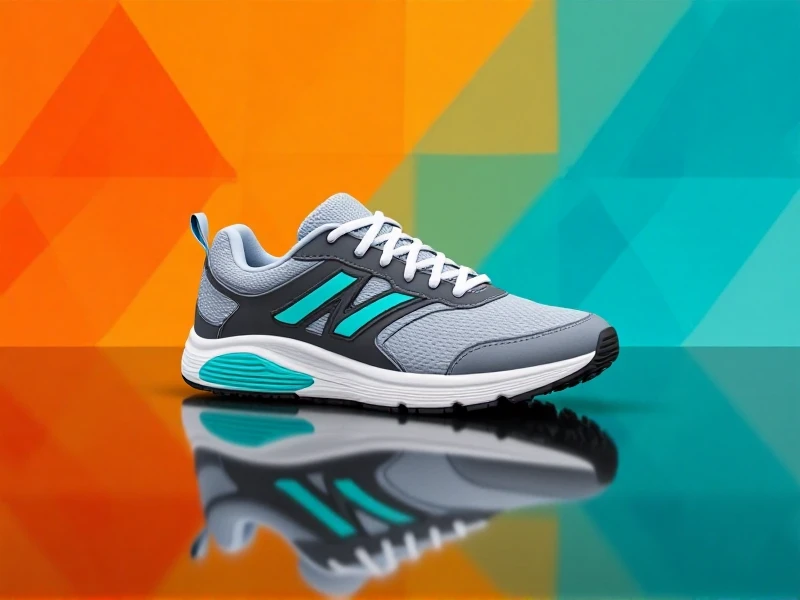
Here is an SEO-friendly article focused on the keyword "Running Shoes":
Finding the perfect pair of running shoes is fundamental to enjoying your run and preventing injury. With countless brands, styles, and technologies available, the selection can feel overwhelming. This guide breaks down the key factors to consider, helping you find the ideal running shoes for your feet and goals.
First, understand your foot type and gait. Do you have high arches, flat feet, or something in between? Knowing this helps determine the level of support you need. Most specialty running shoes stores offer gait analysis – watching how your foot moves (pronates) when striking the ground. Running shoes generally fall into three supportive categories:
- Neutral/Road Running Shoes: For runners with a neutral gait or supination (foot rolls outward). They focus on cushioning and flexibility.
- Stability Running Shoes: Ideal for runners who overpronate moderately (foot rolls inward excessively). They offer structured support to correct this motion.
- Motion Control Running Shoes: Designed for severe overpronators, providing maximum control and rigid support.
Next, consider the terrain where you run most often:
- Road Running Shoes: The most common. They're designed for pavement and relatively smooth surfaces, offering cushioning and responsiveness. Trail Running Shoes provide more aggressive traction and enhanced protection for rugged trails and off-road adventures.
The construction of the shoe matters immensely. Key components include:
- Midsole: The heart of the shoe's cushioning and support. Materials like EVA foam, TPU, or specialized blends like Nike React or Adidas Boost dictate responsiveness and durability. Look for adequate cushioning to absorb impact without feeling unstable.
- Outsole: The durable rubber layer gripping the ground. Look for patterns suited to your running surface (flexible for roads, aggressive lugs for trails).
- Upper: The material encasing your foot. Modern running shoes use lightweight, breathable meshes providing a secure, comfortable, and well-ventilated fit. Ensure enough room (about a thumbnail's width) in front of your toes.
Running Shoes are generally built for 300-500 miles. Beyond that, cushioning breaks down, increasing injury risk. Regularly replacing worn running shoes is a crucial investment in your running health.
Ultimately, the best running shoes are the ones that fit your feet comfortably and support your unique running mechanics. Set a realistic budget, be honest about your fitness level and typical runs, and don't hesitate to test several pairs. Visit a dedicated running shoes retailer for professional fitting guidance. Taking these steps ensures every run is supported, comfortable, and enjoyable. Happy running!