Running Shoes: Your Ultimate Guide to Finding Your Perfect Fit
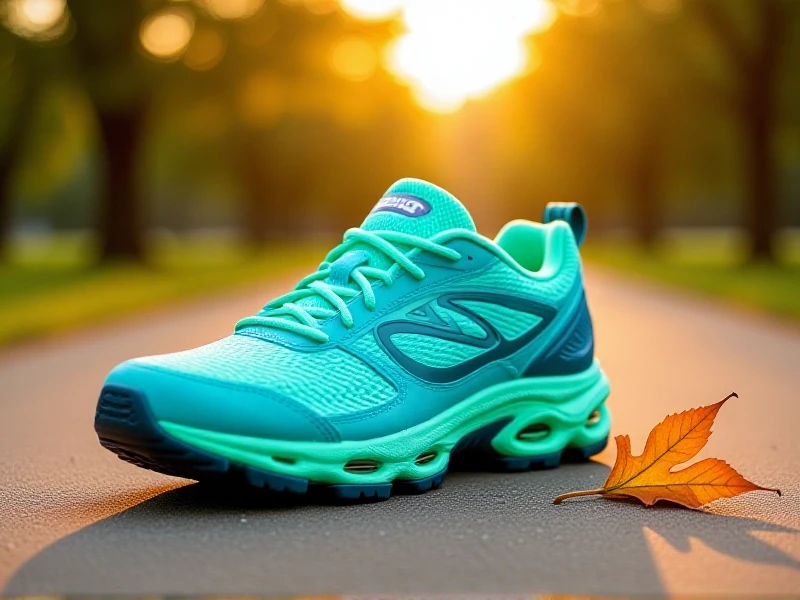
Here is a natural-sounding SEO article focusing on "Running Shoes":
Hitting the pavement for a run? Before you lace up, the most critical piece of gear you'll choose isn't your playlist – it's your running shoes. The right pair isn't just about comfort; it's about performance, injury prevention, and unlocking your running potential. Understanding what makes great running shoes can transform your training.
Not all running shoes are created equal. Your foot type, running style (gait), and the surface you run on are paramount. Do you overpronate (your foot rolls inward excessively), supinate (rolls outward), or have a neutral stride? Specialty running stores offer gait analysis to pinpoint this. Knowing your foot mechanics helps select shoes offering the correct support level – stability for overpronation, neutral cushioning for efficient strides, or motion control for significant pronation.
Modern running shoes are engineering marvels. Key components include:
- Midsole: The heart of the shoe, typically using EVA foam or advanced compounds like Pebax, TPU (often branded as Boost, Fresh Foam, ZoomX, React), providing cushioning, energy return, and responsiveness. The feel varies hugely – plush softness, firm rebound, or a balance.
- Outsole: Durable rubber compounds like carbon rubber in high-wear areas (heel and forefoot) provide grip and traction. The tread pattern varies for road, trail, or track use.
- Upper: Breathable mesh materials hug your foot securely (like engineered knits or Jacquard mesh) while allowing airflow. Fit around the midfoot and heel collar is crucial for stability and preventing blisters.
- Support Features: Built-in heel counters for rearfoot stability and options like medial posts (denser foam on the inner side) for overpronators.
Beyond mechanics, consider your running goals:
- High Milers: Prioritize maximum cushioning and durability for long-distance comfort.
- Speedsters: Look for lightweight designs with responsive foams that propel you forward.
- Trail Runners: Essential are aggressive lug patterns for traction, rock plates for protection, and often more durable uppers.
- New Runners: Focus on comfort, a forgiving step-in feel, and adequate support to encourage consistency.
Finding the perfect running shoes requires trying them on properly. Visit a specialized running store later in the day when feet are slightly swollen. Wear the socks you typically run in. Ensure ample room (about a thumbnail's width) in the toebox. Jog around the store and trust how they feel. Remember, replace them every 300-500 miles; worn-out midsoles lose protection, increasing injury risk.
Investing time in finding the ideal running shoes is an investment in your health and enjoyment. The perfect pair feels like an extension of your body, supporting every stride towards your goals. Happy running!